


High-Elevation Wines at Lava Cap Winery
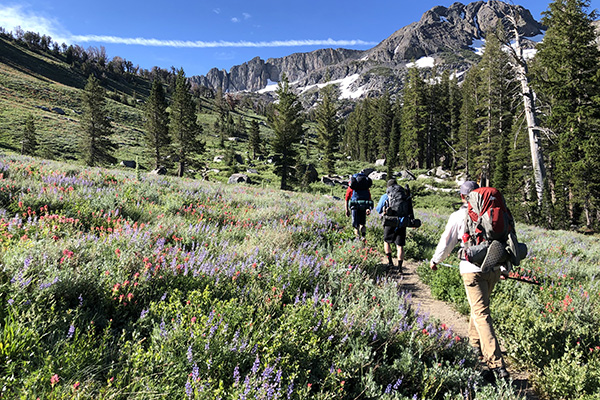
What Does High-Elevation Wine Mean? Inside Lava Cap Winery’s 2,700-Foot Mountain Vineyards
What Is High-Elevation Wine?
Wine lovers often hear terms like mountain-grown, high-elevation vineyards, and mountain fruit, but what do these descriptions actually mean?
Simply put, high-elevation wines are made from grapes grown at higher altitudes than traditional valley-floor vineyards. These mountain vineyards experience different temperatures, sunlight exposure, and growing conditions that can significantly influence the character of the finished wine.
At Lava Cap Winery, our estate vineyards sit at approximately 2,700 feet above sea level in the Sierra Nevada foothills near Placerville, California. This elevation, combined with our volcanic soils and unique climate, helps create wines that are expressive, balanced, and distinctly representative of the Sierra Foothills AVA.
But what exactly does elevation contribute to the winemaking process? Let's take a closer look.
Why Elevation Matters in the Vineyard
Every vineyard is shaped by its environment. Winemakers often refer to this combination of climate, soil, topography, and growing conditions as terroir.
Elevation is one of the most important components of terroir because it affects how grapes grow and mature throughout the season.
As elevation increases:
-
Daytime temperatures can remain warm and sunny.
-
Nighttime temperatures become significantly cooler.
-
Sunlight intensity increases.
-
Growing seasons often extend longer into the fall.
These conditions create an ideal balance between ripeness and acidity, allowing grapes to develop complexity while retaining freshness.
Warm Days, Cool Nights: The Secret to Balance
One of the greatest advantages of mountain vineyards is the dramatic temperature difference between day and night.
During the day, grapes benefit from abundant sunshine that helps develop sugars, flavor compounds, and color. At night, cooler temperatures slow down the ripening process and help preserve natural acidity.
This daily temperature swing is particularly important because it allows grapes to achieve full flavor maturity without becoming overripe.
For wine drinkers, this often translates into wines that display:
-
Concentrated fruit flavors
-
Bright natural acidity
-
Better balance
-
Greater aging potential
-
Enhanced structure
These characteristics are often hallmarks of high-quality mountain-grown wines.
More Sunlight, More Flavor Development
At higher elevations, vineyards receive more direct sunlight than lower-lying areas.
Sunlight plays a critical role in grape development by helping vines produce the compounds responsible for color, aroma, and flavor.
For red varieties such as Cabernet Sauvignon, Zinfandel, and Petite Sirah, increased sun exposure can contribute to:
-
Deeper color
-
Riper tannins
-
More complex aromatics
-
Richer fruit expression
This helps explain why many mountain-grown wines display exceptional intensity and character.
The Role of Volcanic Soils at Lava Cap Winery
Elevation is only part of the story.
The vineyards at Lava Cap Winery are rooted in distinctive volcanic "lava cap" soils that give the winery its name.
These soils are highly prized because they provide excellent drainage and encourage vines to develop deep root systems. Rather than producing excessive growth, the vines focus their energy on developing concentrated fruit.
The combination of volcanic soils and mountain elevation creates an environment where vines must work harder, often resulting in grapes with exceptional flavor concentration.
Many visitors are surprised to learn that some of the most memorable characteristics in wine begin below the surface of the vineyard.
Estate-Grown Wines Reflect Their Environment
One of the advantages of being an estate winery is the ability to oversee every step of the process—from vineyard management to bottling.
Because the grapes are grown on estate vineyards, the winemaking team can make decisions that best reflect the vineyard's unique conditions each year.
This hands-on approach allows Lava Cap Winery to showcase the distinct characteristics of its mountain vineyards through wines such as:
Estate Cabernet Sauvignon
Known for its structure, dark fruit flavors, and aging potential, Estate Cabernet Sauvignon benefits from the extended growing season and mountain climate.
Tectonic Zinfandel
This Sierra Foothills favorite often displays bold blackberry flavors, spice, and complexity that reflect both elevation and volcanic terroir.
Petite Sirah
Mountain-grown Petite Sirah develops remarkable concentration, color, and depth while maintaining balance.
Estate Chardonnay
Cool nighttime temperatures help preserve freshness and acidity, resulting in a Chardonnay that combines richness with elegance.
Why Mountain-Grown Wines Often Age Well
Many wine collectors seek out mountain-grown wines because of their ability to evolve over time.
The natural acidity preserved by cooler nighttime temperatures can help wines remain vibrant as they age. Combined with concentrated fruit and structured tannins, these elements often contribute to greater longevity.
While every vintage is different, high-elevation wines frequently reward patience and cellaring.
The Sierra Foothills Advantage
The Sierra Foothills AVA has quietly become one of California's most exciting wine regions.
Wine lovers are increasingly drawn to the area because of its:
-
Diverse elevations
-
Volcanic soils
-
Historic vineyards
-
Boutique wineries
-
Distinctive terroir
Unlike larger wine regions, the Sierra Foothills still offer visitors a chance to experience authentic wine country without overwhelming crowds.
For wineries like Lava Cap, the region's unique geography provides ideal conditions for producing expressive, site-driven wines.
Experiencing Mountain Viticulture Firsthand
While reading about elevation is helpful, seeing it firsthand offers a deeper appreciation for mountain viticulture.
Visitors to Lava Cap Winery can experience:
-
Estate mountain vineyards
-
Scenic Sierra Nevada foothill views
-
Volcanic vineyard soils
-
Guided tastings
-
Estate-grown wines
Standing among the vines often provides a better understanding of how place influences wine than any textbook ever could.
Final Thoughts
High-elevation vineyards play an important role in shaping the character of many exceptional wines. At Lava Cap Winery, the combination of 2,700-foot elevation, volcanic soils, and estate farming practices creates an environment uniquely suited to producing expressive mountain-grown wines.
From Estate Cabernet Sauvignon to Tectonic Zinfandel, these wines reflect the landscape, climate, and commitment to quality that define the Sierra Foothills wine region.
Whether you're a longtime wine enthusiast or simply curious about what makes mountain-grown wines different, understanding elevation offers valuable insight into the journey from vineyard to glass.
To learn more about Lava Cap Winery and plan your visit, explore our estate vineyards and tasting experiences at www.lavacap.com.