


Why Volcanic Soil Makes Better Wine: The Secret Behind Exceptional Vineyards
Why Volcanic Soil Makes Better Wine: The Secret Behind Exceptional Vineyards
When wine lovers talk about what makes a wine exceptional, conversations often focus on the grape variety, the winemaker, or the aging process. While those elements are certainly important, one of the biggest influences on a wine's character begins beneath the vineyard itself.
Volcanic soil has long been associated with some of the world's most respected wine regions. From the slopes of Mount Etna in Sicily to the Willamette Valley of Oregon and California's Sierra Foothills, vineyards rooted in ancient volcanic landscapes consistently produce wines with remarkable depth, balance, and complexity.
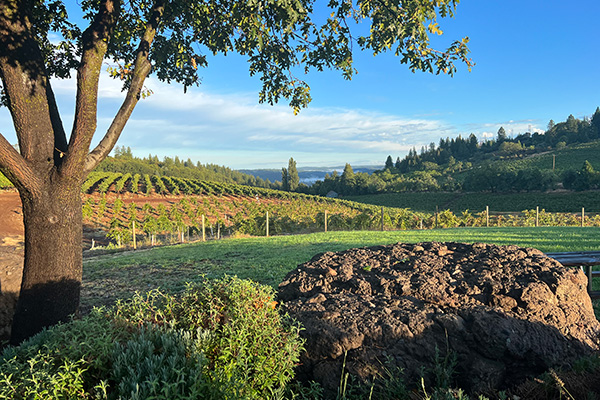
At Lava Cap Winery, our vineyards are planted in the volcanic soils of the Sierra Foothills, where elevation, climate, and geology come together to create ideal growing conditions for premium wine grapes. But what exactly makes volcanic soil so special?
What Is Volcanic Soil?
Volcanic soil forms over thousands—or even millions—of years as lava flows, volcanic ash, and rock gradually break down into mineral-rich earth. These soils are often rocky, well-drained, and naturally diverse in their composition.
Unlike heavy clay soils that retain water, volcanic soils encourage vines to develop deep root systems as they search for moisture and nutrients. This natural challenge often results in healthier vines and more concentrated fruit.
The result isn't simply better-growing vines—it's grapes capable of producing wines with greater character and balance.
Why Healthy Stress Creates Better Grapes
It may sound surprising, but grapevines don't produce their best fruit when life is easy.
When vines receive abundant water and nutrients, they often produce vigorous leaf growth instead of concentrating energy into the grapes. Volcanic soils naturally limit excess moisture, encouraging the vine to focus on developing smaller, more intensely flavored berries.
This balance is one of the reasons premium vineyards around the world are often found in soils that appear rocky or even difficult to farm.
Excellent Drainage Leads to Better Fruit
One of volcanic soil's greatest strengths is drainage.
After rainfall or irrigation, excess water moves quickly through the soil instead of pooling around the roots. This helps:
- Prevent overly vigorous vine growth
- Encourage deeper root development
- Reduce the risk of root diseases
- Improve grape concentration
- Support balanced ripening throughout the growing season
For growers, healthy drainage creates more consistent vineyard conditions year after year.
Deep Roots Build Vineyard Resilience
Because volcanic soils tend to be rocky, vines must work harder to access water.
Over time, their roots grow deeper into the earth, allowing them to reach moisture reserves during California's dry summers. Deep root systems also help vineyards remain more resilient during changing weather conditions.
This natural adaptation contributes to consistent fruit quality while allowing the vines to reflect the unique characteristics of the vineyard site.
How Volcanic Soil Influences Wine Flavor
No single soil type creates one specific flavor. Instead, volcanic soils influence how vines grow, how grapes ripen, and ultimately how the finished wine expresses itself.
Wines grown in volcanic regions are often appreciated for qualities such as:
- Bright natural acidity
- Concentrated fruit flavors
- Well-defined structure
- Elegant balance
- Excellent aging potential
These characteristics result from the interaction of soil, climate, elevation, vineyard management, and winemaking—not from minerals being directly tasted in the wine.
Why Elevation Matters Too
Soil tells only part of the story.
At Lava Cap Winery, our vineyards also benefit from higher elevations in the Sierra Foothills. Warm California days encourage full ripening, while cooler evenings help preserve acidity and freshness.
This combination allows grapes to develop rich flavors without losing the balance that makes wines enjoyable both now and after years of cellaring.
When elevation and volcanic soils work together, the result is an environment well suited for producing expressive, age-worthy wines.
Volcanic Wine Regions Around the World
Many renowned wine regions owe part of their reputation to volcanic landscapes.
Examples include:
- Mount Etna, Sicily
- Santorini, Greece
- Soave, Italy
- Canary Islands, Spain
- Willamette Valley (selected areas), Oregon
- Sierra Foothills, California
Although each region has its own climate and grape varieties, they all demonstrate how volcanic geology can contribute to distinctive wines.
The Sierra Foothills: California's Hidden Volcanic Treasure
The Sierra Foothills have a long history of viticulture dating back to the California Gold Rush. Today, the region is increasingly recognized for producing premium wines thanks to its combination of volcanic soils, mountain elevations, and warm, sunny growing seasons.
Compared with many valley-floor vineyards, mountain sites often experience cooler overall temperatures, allowing grapes to develop complexity while maintaining freshness.
This unique growing environment has helped establish the Sierra Foothills as one of California's most exciting wine regions.
How Lava Cap Winery Benefits from Volcanic Soil
At Lava Cap Winery, our vineyards are rooted in ancient volcanic soils that have shaped this landscape for generations.
Combined with our high-elevation vineyard sites and careful farming practices, these soils help create growing conditions that support exceptional fruit quality.
Rather than relying on a single factor, our wines reflect the complete expression of place—where geology, climate, elevation, and thoughtful vineyard stewardship all work together.
Every vintage tells the story of the Sierra Foothills, beginning beneath the vines themselves.
Experience the Difference
While science explains many of volcanic soil's advantages, the best way to appreciate its impact is in the glass.
Whether you're enjoying a structured Cabernet Sauvignon, an elegant Chardonnay, or another estate-grown wine from Lava Cap Winery, you're tasting the result of a remarkable landscape shaped by ancient volcanic activity and decades of careful vineyard management.
We invite you to visit our tasting room, explore our vineyards, and experience firsthand how the unique terroir of the Sierra Foothills influences every bottle we produce.
Frequently Asked Questions
Does volcanic soil make wine taste like minerals?
Not directly. The minerals in soil influence vine growth and grape development rather than transferring their flavor into the wine. The perceived "minerality" in wine is a complex sensory characteristic influenced by multiple factors.
Why do grapevines grow well in rocky soils?
Rocky soils drain well and encourage vines to develop deep roots, helping them produce smaller, more concentrated grapes that are often associated with premium wines.
Is volcanic soil rare for vineyards?
While many vineyards grow in other soil types, some of the world's most respected wine regions are located on ancient volcanic landscapes.
Does volcanic soil improve every grape variety?
Volcanic soils can benefit many grape varieties, but the final wine quality depends on climate, elevation, vineyard management, and winemaking—not soil alone.
What makes Sierra Foothills vineyards unique?
The Sierra Foothills combine volcanic soils, mountain elevations, warm sunny days, and cool evenings, creating excellent conditions for growing premium wine grapes.
Can visitors experience these vineyards?
Yes. Visiting a Sierra Foothills winery offers the opportunity to experience how the region's landscape, climate, and soils contribute to distinctive wines.
Conclusion
Great wine begins long before the grapes are harvested. It starts with the land itself.
The volcanic soils of California's Sierra Foothills provide excellent drainage, encourage deep-rooted vines, and help create ideal growing conditions for premium wine grapes. Combined with mountain elevations and a favorable climate, these ancient soils play an important role in producing balanced, expressive wines that reflect their origin.
At Lava Cap Winery, we're proud to steward vineyards shaped by this remarkable landscape and invite you to discover how the Sierra Foothills' unique terroir comes to life in every glass.