


Sierra Foothills Wine: Discover the El Dorado AVA
Sierra Foothills Wine: What Makes the El Dorado AVA One of California’s Most Distinctive Wine Regions
When people think of California wine country, Napa and Sonoma often come to mind first. But travel east toward the Sierra Nevada, and California wine takes on a very different character.
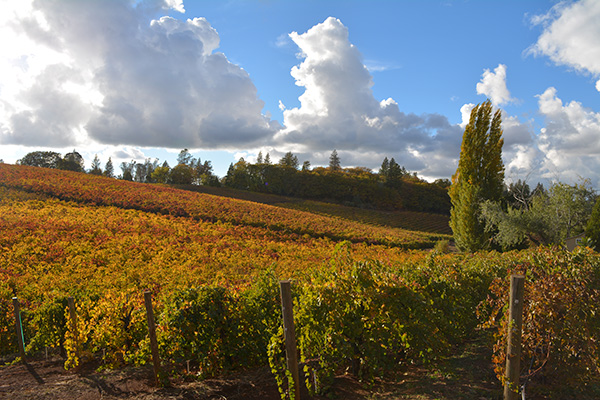
Here in the Sierra Foothills, vineyards climb into the mountains, elevations change dramatically, soils tell the story of an ancient volcanic landscape, and warm California sunshine gives way to cool mountain evenings.
At the heart of this region is the El Dorado AVA, home to Lava Cap Winery and an extraordinary diversity of grape varieties.
So, what makes Sierra Foothills wine different?
It begins with the land.
What Is the El Dorado AVA?
An American Viticultural Area, or AVA, is a federally recognized wine-growing region distinguished by geographic characteristics that can influence grape growing.
The El Dorado AVA sits within the larger Sierra Foothills wine region in Northern California.
Unlike many California wine regions defined largely by valleys, El Dorado is decidedly mountainous. Vineyards can be planted at dramatically different elevations, creating a collection of microclimates within a relatively compact area.
This diversity gives winegrowers the ability to work with an unusually broad range of grape varieties.
Cabernet Sauvignon, Zinfandel, Barbera, Syrah, Grenache, Chardonnay, Sauvignon Blanc and other varieties can all find suitable growing conditions within the region.
At Lava Cap, our estate vineyards sit at approximately 2,700 feet above sea level near Placerville, placing elevation at the center of our approach to winegrowing.
Elevation Changes Everything
Elevation isn't simply about the view—although we're certainly fond of that part.
Growing grapes in the mountains changes the environment surrounding the vine.
Our vineyards experience abundant sunshine during the day followed by significantly cooler mountain temperatures at night. This daily temperature swing can help grapes develop ripe flavors while retaining the natural acidity that gives wine freshness and balance.
The result can be wines that combine concentration with vibrancy rather than relying on ripeness alone.
Elevation also influences sunlight, airflow, growing-season temperatures and the timing of ripening.
That's why two vineyards growing the same grape variety in different parts of California can produce remarkably different wines. More info here.
Ancient Volcanic Soils Beneath the Vines
The story of Sierra Foothills wine doesn't stop at elevation.
You also have to look beneath your feet.
Millions of years ago, volcanic activity helped shape the Sierra Nevada landscape. In select areas of the foothills, remnants of that ancient geology remain in the form of volcanic soils.
Lava Cap takes its name from this distinctive feature of our estate.
Our vineyards are planted on volcanic soils formed from ancient volcanic material. These soils provide excellent drainage, an important characteristic for wine grapes because vines generally perform best when they aren't growing in overly fertile or waterlogged ground.
Well-drained soils encourage vines to develop extensive root systems and can naturally moderate vine growth.
For the winegrower, that means the focus isn't simply on producing more fruit. It's about cultivating balanced vines capable of producing grapes with concentration, flavor and character.
Discover why Lava Cap is named for its volcanic soil.
Why the Sierra Foothills Can Grow So Many Grape Varieties
One of the most exciting characteristics of El Dorado wine country is its diversity.
There isn't one grape that defines the entire region.
Instead, differences in elevation, slope, exposure and soil create opportunities for many varieties to thrive.
Cabernet Sauvignon
Cabernet Sauvignon benefits from sunny mountain days that encourage ripening and cool evenings that help preserve freshness.
At Lava Cap, Cabernet is an important expression of our estate. Mountain-grown fruit can produce wines with dark fruit character, structure and the ability to develop beautifully with age.
Explore Lava Cap Cabernet Sauvignon
Zinfandel
Few grapes have a deeper connection to the Sierra Foothills than Zinfandel.
The region's warm sunshine allows Zinfandel to develop generous fruit and spice, while mountain conditions can help retain balance.
Lava Cap produces several expressions of Zinfandel, allowing the variety to show different sides of its personality.
Barbera
Barbera has found an especially comfortable home in the Sierra Foothills.
Naturally bright acidity makes it lively at the table, while the California sunshine allows the fruit to develop richness and depth. It's an excellent example of how varieties with European roots can develop a distinctly Sierra Foothills identity.
Rhône Varieties
Grenache, Syrah and Mourvèdre also thrive in portions of the region.
These varieties appreciate sunshine and can produce wonderfully aromatic, expressive wines when matched with the right vineyard site.
White Wines
Mountain wine country isn't just about reds.
Chardonnay, Sauvignon Blanc, Vermentino, Grenache Blanc and other white varieties can benefit enormously from cool nighttime temperatures, which help preserve the freshness that makes white wine so inviting.
What Does Sierra Foothills Wine Taste Like?
There's no single flavor that defines Sierra Foothills wine—and that's part of what makes the region interesting.
The diversity of elevation, soils and grape varieties makes sweeping generalizations difficult.
However, wines from mountain vineyards often share a few characteristics that wine lovers appreciate:
-
Expressive fruit
-
Natural freshness
-
Aromatic intensity
-
Structure and balance
-
A strong sense of place
At Lava Cap, our goal isn't to make every wine taste the same.
It's to allow each variety and vineyard block to express itself while maintaining the mountain character of our estate.
Estate-Grown Wine and a Sense of Place
The term estate-grown has special meaning to us.
When grapes are grown on our own property, our vineyard and winemaking teams can work together throughout the entire growing season.
Decisions in the vineyard—from canopy management and irrigation to harvest timing—can be made with the finished wine in mind.
That relationship continues after harvest as the fruit moves from vineyard to cellar.
The result is a direct connection between the land you see when visiting Lava Cap and the wine you taste in your glass.
For us, that connection is at the heart of Sierra Foothills wine.
A Different Kind of California Wine Country
The Sierra Foothills also offer something increasingly rare in California wine tourism: room to slow down.
Visitors can spend the morning exploring historic Placerville, travel through the farms and orchards of Apple Hill, and spend the afternoon tasting wines overlooking mountain vineyards.
There's history here, but there's also a sense of discovery.
Wine lovers accustomed to California's larger wine regions are often surprised by the diversity of wines grown in El Dorado and by how dramatically the landscape changes as they climb into the foothills.
It's California wine country with a mountain personality.
Experience the Sierra Foothills at Lava Cap
The best way to understand Sierra Foothills wine may be to experience the vineyards firsthand.
At Lava Cap Winery, guests can taste estate-grown wines just steps from the mountain vineyards where the grapes were grown.
Look across the estate and you'll see the elevation. Walk the property and you're standing over the volcanic geology that gave Lava Cap its name. Taste through the wines and you can begin to see how those elements translate from vineyard to glass.
Our family has been growing grapes and producing wine here since 1986, and today a third generation continues that connection to the estate.
For us, the Sierra Foothills aren't simply where we make wine.
They're why our wines taste the way they do.
Frequently Asked Questions About Sierra Foothills Wine
Where is the Sierra Foothills wine region?
The Sierra Foothills wine region stretches along the western foothills of California's Sierra Nevada. El Dorado County and the Placerville area are part of this historic mountain wine country.
What is the El Dorado AVA?
The El Dorado AVA is an officially recognized American Viticultural Area within the Sierra Foothills. Its mountainous terrain, varied elevations and diverse soils allow winegrowers to cultivate a wide range of grape varieties.
What wines are the Sierra Foothills known for?
Zinfandel has a long history in the Sierra Foothills, but the region also produces excellent Cabernet Sauvignon, Barbera, Syrah, Grenache, Petite Sirah, Chardonnay and many other varieties.
Why does elevation matter for wine grapes?
Elevation can influence temperature, sunlight, airflow and the difference between daytime and nighttime temperatures. These factors affect how grapes ripen and can help preserve acidity while developing flavor.
Does the Sierra Foothills have volcanic soil?
Parts of the Sierra Foothills contain soils derived from ancient volcanic activity. Lava Cap Winery takes its name from the distinctive volcanic geology found on its estate near Placerville.
Can you visit wineries in the El Dorado AVA?
Yes. El Dorado wine country includes numerous wineries and tasting experiences around Placerville and the Sierra Foothills. Lava Cap Winery welcomes visitors to taste estate-grown wines and experience its high-elevation vineyards firsthand.
Discover Sierra Foothills Wine
California wine is far more diverse than any single valley or grape variety.
In the El Dorado AVA, elevation, volcanic geology, mountain climate and an extraordinary range of grape varieties come together to create a wine region with its own identity.
It's a place where the landscape is impossible to separate from the wine.
And that's exactly what makes the Sierra Foothills worth discovering.