


High Elevation Cabernet Sauvignon from Lava Cap: A Mountain-Grown California Treasure
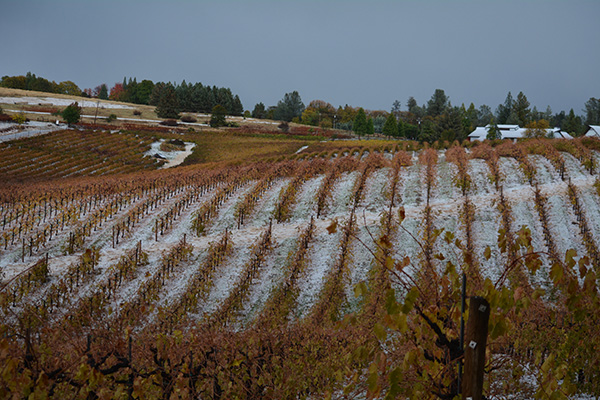
California Cabernet Sauvignon has long been associated with Napa Valley, but wine lovers are increasingly discovering a hidden gem in the Sierra Foothills: high elevation Cabernet Sauvignon from Lava Cap Winery. Nestled in the rugged hills of Placerville, California, Lava Cap produces estate-grown wines that showcase the remarkable influence of mountain vineyards, volcanic soils, and cool Sierra nights.
What makes high elevation Cabernet Sauvignon so special? Why are wine enthusiasts and sommeliers paying closer attention to mountain-grown wines from regions like El Dorado AVA?
The answer lies in the unique combination of altitude, climate, and terroir that creates bold yet balanced wines with exceptional aging potential.
In this guide, we’ll explore how Lava Cap’s high elevation vineyards produce Cabernet Sauvignon with deeper complexity, brighter acidity, richer structure, and unmistakable Sierra Foothills character.
What Is High Elevation Cabernet Sauvignon?
High elevation Cabernet Sauvignon refers to grapes grown in vineyards located at significantly higher altitudes than traditional valley-floor vineyards. These vineyards often sit between 1,500 and 3,000 feet above sea level.
At Lava Cap Winery, the vineyards are planted at elevations reaching over 2,700 feet, making them among the highest estate vineyards in California.
This elevation dramatically affects grape development by creating:
- Cooler nighttime temperatures
- Longer growing seasons
- Greater sun intensity
- Improved acidity retention
- Thicker grape skins
The result is a Cabernet Sauvignon that offers concentrated flavor without becoming overly ripe or heavy.
Why Elevation Matters in Cabernet Sauvignon
1. Cooler Nights Preserve Acidity
One of the biggest advantages of mountain vineyards is the dramatic temperature swing between day and night.
Warm days help Cabernet grapes fully ripen, while cool nights slow sugar accumulation and preserve natural acidity.
This balance creates wines that feel:
- Fresh
- Structured
- Food-friendly
- Age-worthy
Without acidity, Cabernet Sauvignon can taste flat or jammy. High elevation vineyards help maintain vibrancy and elegance.
2. Intense Sunlight Builds Flavor Concentration
At higher altitudes, the atmosphere becomes thinner, exposing grapes to stronger ultraviolet sunlight.
This increased sun exposure encourages:
- Thicker grape skins
- Deeper color
- More tannin structure
- Enhanced flavor compounds
That’s why high elevation Cabernet Sauvignon often displays intense aromas of:
- Black currant
- Blackberry
- Dark cherry
- Cedar
- Cocoa
- Tobacco
Lava Cap’s mountain-grown Cabernet Sauvignon reflects these concentrated flavor profiles beautifully.
3. Longer Growing Seasons Increase Complexity
Mountain vineyards typically experience slower ripening.
Instead of rushing to maturity during hot valley-floor summers, grapes at elevation develop gradually over an extended season.
This allows flavors to evolve more naturally and creates greater complexity in the finished wine.
Wine lovers often notice:
- More layered aromas
- Better tannin integration
- Greater depth
- Improved aging potential
The Role of Volcanic Soil at Lava Cap Winery
One of Lava Cap’s defining characteristics is its rare volcanic “lava cap” soil.
This unique terroir gives the winery its name and contributes significantly to wine quality.
What Is Lava Cap Soil?
Lava cap soil forms from ancient volcanic activity that left mineral-rich layers of decomposed lava rock across parts of the Sierra Nevada foothills.
These soils are:
- Well-draining
- Low in fertility
- Rich in minerals
- Excellent for stress-balanced vines
Cabernet Sauvignon vines thrive under moderate stress because they produce smaller berries with more concentrated flavors.
How Volcanic Soil Influences Flavor
Wine experts often describe volcanic-soil wines as having:
- Minerality
- Earthiness
- Lifted aromatics
- Firm structure
At Lava Cap, these characteristics combine with mountain elevation to create Cabernet Sauvignon that feels both powerful and refined.
The wines often display:
- Dark fruit concentration
- Savory complexity
- Fresh mountain acidity
- Long, structured finishes
This combination makes Lava Cap Cabernet stand apart from warmer-climate California Cabernets.
The Sierra Foothills Advantage
The Sierra Foothills wine region remains one of California’s most underrated Cabernet Sauvignon areas.
Located east of Sacramento, this region benefits from:
- Mountain elevations
- Diverse microclimates
- Granite and volcanic soils
- Reduced fog pressure
- Lower disease risk
Unlike heavily commercialized wine regions, the Sierra Foothills maintain a more artisanal and terroir-driven identity.
Lava Cap Winery exemplifies this approach through:
- Estate farming
- Small-lot winemaking
- Family ownership
- Sustainable vineyard practices
How Lava Cap Crafts Its Cabernet Sauvignon
Estate-Grown Vineyards
Lava Cap controls its vineyards from vine to bottle.
This estate-grown model allows the winery to:
- Carefully manage yields
- Harvest at optimal ripeness
- Maintain quality consistency
- Preserve vineyard character
Many mass-market wines source grapes from multiple locations, but estate-grown Cabernet Sauvignon often offers stronger terroir expression.
Mountain Viticulture Practices
Growing grapes at elevation requires special vineyard techniques.
Mountain vineyards face:
- Steeper slopes
- Thinner soils
- Increased erosion risk
- Stronger weather exposure
Lava Cap’s farming team carefully manages:
- Canopy exposure
- Water usage
- Soil health
- Harvest timing
These practices help preserve balance and concentration in the fruit.
Careful Oak Integration
Cabernet Sauvignon benefits from thoughtful oak aging, but balance is essential.
Lava Cap’s winemaking style tends to favor:
- Structure over excess sweetness
- Elegance over overpowering oak
- Fruit purity over manipulation
The result is Cabernet Sauvignon that feels polished yet authentic.
Flavor Profile of High Elevation Cabernet Sauvignon from Lava Cap
Wine enthusiasts can expect a flavor experience that combines mountain freshness with California richness.
Typical Tasting Notes
Fruit Characteristics
- Black cherry
- Cassis
- Blackberry
- Plum
Savory Notes
- Cedar
- Graphite
- Tobacco
- Earth
Oak-Influenced Aromas
- Vanilla
- Cocoa
- Espresso
Structural Elements
- Bright acidity
- Firm tannins
- Long finish
- Excellent balance
This profile makes Lava Cap Cabernet highly versatile at the dinner table.
Best Food Pairings for High Elevation Cabernet Sauvignon
The wine’s structure and acidity make it ideal for rich, flavorful dishes.
Excellent Pairings Include:
- Grilled ribeye steak
- Lamb chops
- Smoked brisket
- Aged cheddar
- Wild mushroom risotto
- Braised short ribs
The wine’s freshness also allows it to pair better with food than many overly ripe Cabernets.
Why Wine Collectors Appreciate Mountain Cabernet Sauvignon
Collectors often seek high elevation Cabernet Sauvignon because of its aging potential.
The preserved acidity and tannin structure help these wines evolve beautifully over time.
With proper cellaring, Lava Cap Cabernet Sauvignon can develop:
- Softer tannins
- More integrated flavors
- Leather and spice notes
- Greater aromatic complexity
Mountain-grown wines frequently reward patience.
Wine Tourism in the Sierra Foothills
Visiting Lava Cap Winery offers more than just wine tasting.
Guests can experience:
- Scenic mountain vineyards
- Sierra Foothills landscapes
- Estate tasting rooms
- Seasonal events
- Harvest experiences
Compared to crowded Napa tasting rooms, the Sierra Foothills provide a more relaxed and authentic wine country atmosphere.
The region is especially popular among Sacramento residents seeking weekend wine escapes.
For winery details and tasting reservations, visit the official Lava Cap website:
Lava Cap Winery
How High Elevation Cabernet Sauvignon Differs from Napa Cabernet
| Feature | High Elevation Cabernet Sauvignon | Valley-Floor Cabernet |
|---|---|---|
| Acidity | Higher | Lower |
| Ripening Speed | Slower | Faster |
| Tannin Structure | Firmer | Softer |
| Flavor Style | Complex & layered | Rich & ripe |
| Aging Potential | Excellent | Moderate to excellent |
| Climate Influence | Cool nights | Warmer evenings |
Neither style is inherently better, but many wine enthusiasts appreciate the balance and freshness found in mountain-grown Cabernet Sauvignon.
Sustainability and Estate Farming at Lava Cap
Modern wine consumers increasingly value sustainable farming.
Estate wineries like Lava Cap can better manage:
- Soil preservation
- Water efficiency
- Vineyard biodiversity
- Long-term land stewardship
Mountain viticulture requires careful environmental management to protect fragile hillside ecosystems.
This stewardship contributes to both wine quality and regional sustainability.
Frequently Asked Questions
What does high elevation Cabernet Sauvignon taste like?
High elevation Cabernet Sauvignon often tastes more structured and complex than valley-floor wines. Expect dark fruit flavors, firm tannins, fresh acidity, and layered earthy or mineral notes.
Why are mountain-grown wines considered premium?
Mountain-grown wines typically have lower yields, thicker grape skins, and longer ripening periods. These conditions produce more concentrated and age-worthy wines.
What makes Lava Cap Winery unique?
Lava Cap stands out for its high elevation vineyards, volcanic lava cap soils, estate-grown wines, and Sierra Foothills terroir.
Is Sierra Foothills Cabernet Sauvignon good for aging?
Yes. The region’s cooler nights and mountain climate help preserve acidity and tannin structure, which support long-term aging.
What foods pair best with high elevation Cabernet Sauvignon?
Rich dishes like steak, lamb, brisket, and aged cheeses pair exceptionally well with high elevation Cabernet Sauvignon.
Where is Lava Cap Winery located?
Lava Cap Winery is located in Placerville, California, within the Sierra Foothills and El Dorado AVA wine region.
Conclusion
High elevation Cabernet Sauvignon from Lava Cap Winery represents a remarkable expression of California mountain viticulture. By combining volcanic soils, Sierra Foothills elevation, and estate-driven craftsmanship, Lava Cap produces wines with depth, elegance, and authenticity.
As more wine lovers seek terroir-driven alternatives to mainstream Cabernet Sauvignon, mountain-grown wines from regions like El Dorado AVA are gaining well-deserved recognition.
Whether you’re a collector, casual wine enthusiast, or traveler exploring California wine country, Lava Cap’s high elevation Cabernet Sauvignon offers a memorable and distinctly Sierra Foothills experience.